Elevate Your Event: A Comprehensive Guide to Conference Planning Success

Planning a conference can feel like orchestrating a symphony—every detail matters, and harmony is key. From securing the venue to selecting speakers and managing logistics, the process requires a careful blend of organization, creativity, and strategy. But fear not, aspiring event planners! Whether you’re a seasoned pro or a first-time organizer, this guide will walk you through the essential steps of conference planning, ensuring your event is memorable and impactful.
First, define the purpose of your conference. Are you aiming to educate, network, or inspire? Having a clear objective will guide every decision you make throughout the planning process. Next, consider your target audience. Understanding who you are catering to will help you tailor content, choose appropriate speakers, and select the right venue. Remember, an engaged audience is more likely to return for future events.
Budgeting is the backbone of any successful conference. Start by determining your total budget, then allocate funds to various aspects such as venue rental, catering, marketing, and technology. A useful tip is to leave a 10-20% cushion for unexpected expenses. This way, you can accommodate surprises without derailing your budget.
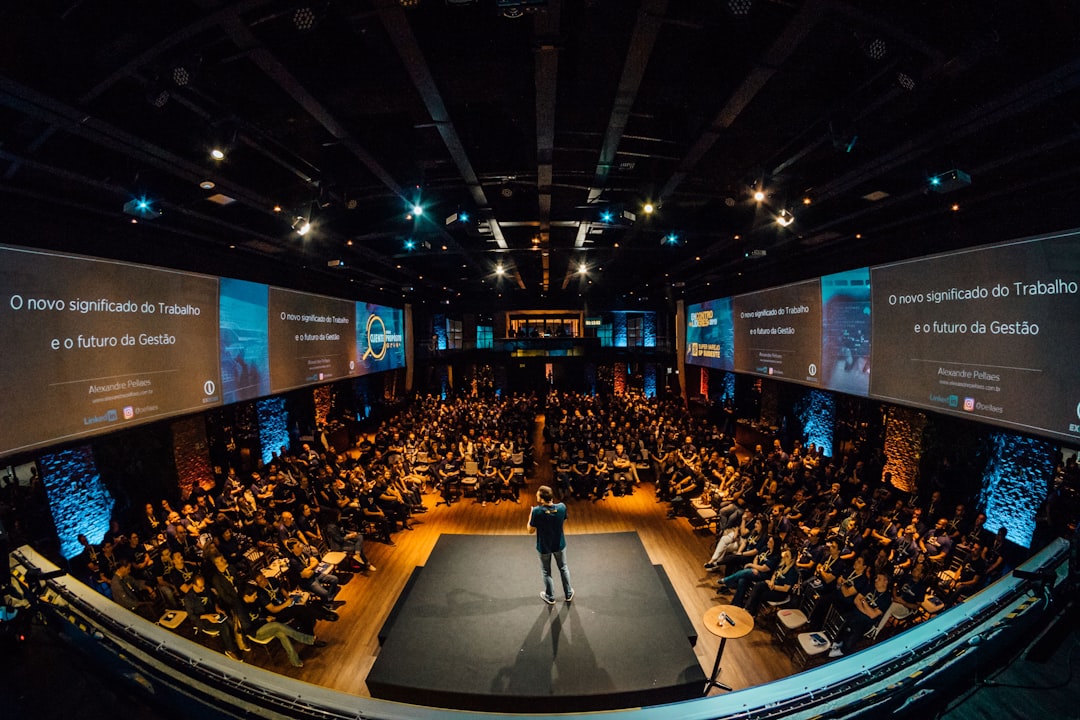
When it comes to choosing a venue, think about accessibility and atmosphere. A central location with good transport links can significantly increase attendance. Additionally, consider the ambiance of the space—does it match the theme of your conference? Also, make sure the venue has the necessary equipment and facilities, such as AV systems and breakout rooms for workshops.
Once the venue is secured, it’s time to focus on the program. Select engaging speakers who are knowledgeable in their fields and can captivate your audience. You might also want to include interactive elements such as Q&A sessions, panel discussions, or workshops to enhance engagement. Don’t underestimate the power of networking opportunities—create spaces and activities that encourage attendees to connect and share ideas.
Marketing your conference is crucial for ensuring a full house. Utilize social media, email newsletters, and professional networks to spread the word. Creating a dedicated event website can serve as a hub for information and registration, making it easier for potential attendees to find details about the agenda, speakers, and logistics.
As the event approaches, it’s time to shift focus to logistics. Create a detailed timeline that outlines every task leading up to the conference, from printing badges to arranging catering. Communication is key—make sure everyone involved in the planning process is aware of their responsibilities. On the day of the event, arrive early to oversee setup and ensure everything runs smoothly. Have a contingency plan in place for unexpected issues, like technical difficulties or last-minute cancellations.
Finally, after the conference wraps up, don’t forget to follow up with attendees. Sending thank-you emails and feedback surveys can provide valuable insights for future events and helps to foster a sense of community among participants. Sharing highlights, photos, and key takeaways on social media can also keep the momentum going.
In conclusion, while conference planning may seem daunting, breaking it down into manageable steps can make the process enjoyable and fulfilling. By focusing on your objectives, audience, and logistics, you can create an event that resonates with attendees and achieves your goals. So roll up your sleeves, embrace the challenge, and watch your conference transform from a mere idea into an unforgettable experience!